PEER EDUCATOR PLUS 2026

Pep26
#PEP26
PROGRAM PROPOSAL
EMPOWERING LEARNERS TO BECOME AGENTS OF EDUCATION AND POSITIVE CHANGE IN THEIR SCHOOLS
UBA-OMOMAYOWA FREEDOM CONCEPTS
1031076491
Proposed Reach
100 learners across 10 schools
Announced Program period
November 30 - December 18
Lead Organization
OMOMAYOWA FREEDOM FOUNDATION
Proposed Partner
Omomayowa Freedom Concepts RC-9686374
COSPHEI- Community salvage for peoples health empowerment initiatives.
Prime Legacy & Associates.
Location
Iwerekun Senior Secondary school, Lakowe.
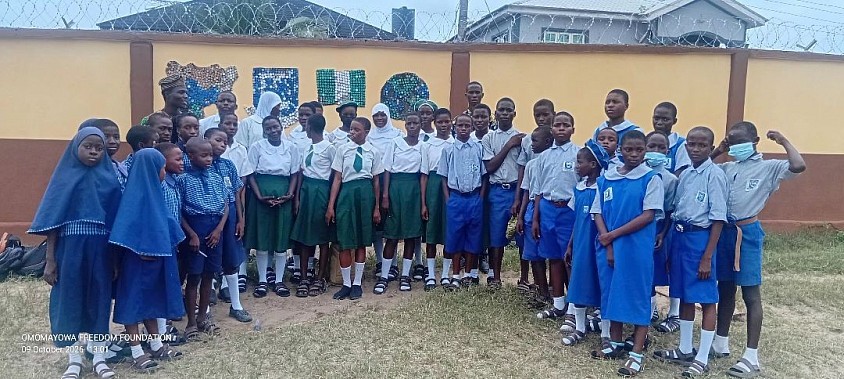
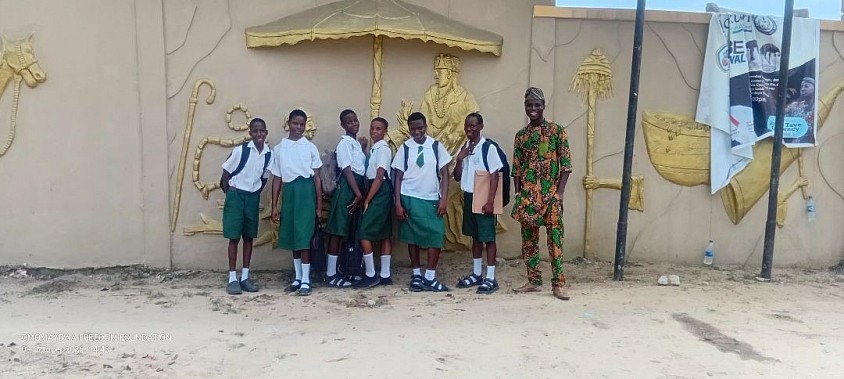
Peer Educator plus 2026 is a proposed learner development initiative led by OMOMAYOWA FREEDOM FOUNDATION. It aims to equip learners with practical skills, confidence, and a sense of responsibility so they can encourage positive learning and constructive peer engagement within their schools. The proposed reach is 100 learners from 10 schools, with a program period publicly announced as 30th November to 18th of December. 2026.
The Initiative is designed around participatory learning, groups exercise, demonstrations, problem-solving activities, and school-based peer education projects. The foundation is seeking collaborations from schools, community leaders, qualified volunteers, businesses, sponsors, and institutional partners. Cash funding and in-kind support will be used only against an agreed plan and recorded transparently.
Current Status: The campaign has been announced publicly and outreach letters have been submitted to schools, tradition/community leaders, and the university Vice-Chancellor’s office. Funding, school participation delivery arrangements, and the final budget remain to be confirmed. This proposal is therefore a request for partnership and support, not a claim that funding or participation has already been selected.
Learners benefit when they have opportunities to practice communication, leadership, digital awareness, teamwork, critical thinking, and responsible decision-making. Schools are important places for this development, and learners can help reinforce positive habits among their peers when they receive suitable training an adult guidance.
Peer Educator Plus seeks to build a practical bridge between learning and action by preparing selected learners to share useful knowledge, encourage participation and contribute to a positive school environment. Activities will be adapted to the age, needs, timetable, and safeguarding requirements of participating schools.
To empower learners to become responsible agents of education and positive change within their school communities.
Provide practical learning opportunities for a proposed 100 learners across 10 schools.
Build learners’ communication, leadership, teamwork, and peer-support skills.
Introduce useful life and livelihood skills, including digital literacy, financial awareness, and entrepreneurship.
Enable collaboration among schools, families, community leaders, volunteers and relevant partners.
Track participation and learning outcomes and document lessons for future program improvement.
The proposed direct participants are 100 learners from 10 schools, with an indicative allocation of 10 learners per school. The final number selection process will depend on written school confirmation, available resources, and appropriate consent and safeguarding arrangements. Indirect beneficiaries may include classmates, teachers, families and school communities reached through supervised peer-education activities.
Selection should be fair and inclusive. Participating schools should nominate learners who will show interest in learning, teamwork, and constructive peer engagement while taking account of inclusion and accessibility.
The Program proposed practical introduction and activities across 15 skill areas. The final curriculum and session length will be agrees with facilitators and participating schools.
NO.
SKILL AREA
1
BARBING
2
SHOE MAKING
3
TAILORING & FASHION DESIGNING
4
CARPENTARY & FURNITURE
5
BAG MAKING
6
BEAD MAKING
7
AESTETICS & COSMETICS
8
VULCANIZING
9
WELDING
10
GRAPHICS DESIGNING
11
WEBSITE DESIGNING
12
HAIR DRESSING
13
Other skills may be included in the future.
Orientation and baseline check: Introduce the program, explain expectations, and record an initial picture of participants’ knowledge or confidence.
Skill Sessions: Deliver age-appropriate sessions using short explanations, demonstrations, discussion and practical exercises.
Group Assignments: learners work together on a small educational message, presentation, or school improvement idea.
Peer-Education planning: Each participating school team develops a simple, supervised plan for sharing learning with classmates.
Assessment and Feedback: use short quizzes, demonstrations, particpant feedback, and facilitator observations.
Recognition and Reporting: acknowledge participation where appropriate and prepare a factual summary of activities, result and lesson learned.
PERIOD
PROPOSED ACTIVITY
KEY OUTPUT
13-29 November 2026
Confirm schools, participants, facilitators, consents, orientation and baseline checks as ready.
Confirmed delivery plan and participant records.
30 November - 10 December
Deliver skills sessions and practical group activities according to an agreed timetable.
Training participation and completed exercises.
11-18 December
Complete practical projects, post-training checks, feedback, recognition, and initial reporting.
Result summary and school-team action plans
After the program
Where resources permit, follow up with school teams and document their peer-education activities.
Follow-up report and recommendations.
The dates above are a proposed working schedule within the publicly announced period. They are not confirmation that activities or school participation have been finalized. A detailed timetable will be agreed after consultations and a resource review.
OMOMAYOWA FREEDOM FOUNDATION invites schools, community and traditional leaders, university departments, educational professionals, businesses, philanthropists, civil-society organizations, and other development partners to consider supporting the initiative. COSPHEI (Community Salvage for People Health Empowerment Initiatives) is identified as a proposed partner; specific roles and commitments should be confirmed in writing before implementation.
Financial sponsorship: Contribution towards agreed documented programs costs.
In-Kind support: venue, printing, stationary, refreshments, transport assistance, ICT Equipment, internet access, or learning resources.
Technical support: qualified volunteers facilitators, mentors, curricullum input, and monitoring support.
Institutional support: Schools coordination, participant nomination, suitable spaces and adult supervision.
S/N
BUDGET ITEMS
QUANTITY
UNIT COST (NGN)
TOTAL (NGN)
BASIS/NOTE
1
Learner trainig Kits
100
#4,000
#400,000
Notebooks, pens and basic learning supplies
2
Participant workbooks/printing
100
#2,000
#200,000
Training handouts and activity sheets
3
Certificates and completion material
100
#1,00
#100,000
Certificates and simple completion materials
4
Learner refreshments
300
#3,000
#900,000
100 learners x 3 main training days
5
Facilitator honoraria
12
#25,000
#300,000
4 facilitator x 3 days
6
Local transport support
10
#25,000
#250,000
Planning allowance for school/participants coordination
7
Training venue
3
#50,000
#150,000
Venue preparation for the event
8
Projector/sound/technical support
3
#35,000
#105,000
3 days; may be reduced if equipments is provided in kind
9
School peer-action material
10
#25,000
#250,000
Small materials allowance for 10 school-based actions
10
Safeguarding, consent and accessibility materials
1
#50,000
#50,000
Consent forms,basic safeguarding and inclusion materials.
11
Monitoring, evaluation and feedback
1
#100,000
#100,000
Attendance, simple learning checks, feedbacks and review
12
Communication and stakeholder follow up
1
#50,000
#50,000
Calls, message and cordination
13
Programme cordination/logistics
1
#150,000
#150,000
Planning and delivery coordination
14
Documentation and final report#
1
#75,000
#75,000
Program documentation and report preparation
15
Administrative supplies
1
#50,000
#50,000
General delivery supplies
19
Programme banner/visibility materials
1
#60,000
#60,000
One simple banner and basic visibility materials
20
Basic first-aid/welfare provision
1
#30,000
#30,000
Basic first-aid and welfare supplies
21
Volunteer support
18
#5,000
#90,000
6 volunteers x 3 days; planning allowance
22
SUB TOTAL
#3,310,000
CONTINGENCY
#331,000
Miscellaneous
TOTAL PLANNING BUGET
#3,641,000
Estimated average cost per learner
#36,410
Average programme cost not a direct payment to each learner
Because the program may involve minors, activties will proceed only with appropriate school authorization, parent or guardian consent where required, sustainable adult supervision, and clear conduct expectations for staff and volunteers. The organizing team should establish a process for reporting safeguarding concerns, managing attendance and emergency contacts, and obtaining appropriate permission before using identifiable photographs,videos, or participants stories in publicity. Personal information should be limited to what is necessary and handled securely.
INDICATOR
Proposed target or evidence
Schools participating
Up to 10, subject to confirm
Learners engaged
Up to 100, subject to confirmation and resources
Training completion
Attendance and completion records; target to be set after confirmation
Skill Development
Comparable pre- and post-session checks or practical demonstrations
Peer education action plans
School team plans and records of activities completed
Participant experience
Feedback forms or guided reflection
Accountability
Program narrative and financial summary
Target will be finalized once participation and delivery arrangements are confirmed. Reporting will distinguish planned activities from actually completed and will not claim results that have not been measured.
The proposed sustainability approach is to develop small peer-education teams within participating schools, supported by a designed teacher or school contacts where possible. Teams may organize modest,supervised learning activities, using materials and skills from the program. Follow-up will depend on school cooperation, volunteer availability, and resources. Lessons from the first-Cycle will inform future improvements and any expansion.
Peer Educator plus 2026 seeks to give learners practical tools to learn, lead, collaborate and encourage educational engagement among their peers. OMOMAYOWA FREEDOM FOUNDATION welcomes constructive discussions with schools, community leaders, volunteers, businesses, sponsors, and institutional partner who may be able to contribute expertise,materials,facilities, or funding.
Supporters are invited to contact the foundation to discuss specific needs, possible contributions, and confirmed participation, safeguarding readiness and resources available.
Prepared as a working proposal for partnership and resource mobilization. This document does not imply that schools, sponsors, or partner organizations have formally committed unless confirmed seperately in writing.